

Minor Blue Rooster

Price range: $250.00 through $1,150.00
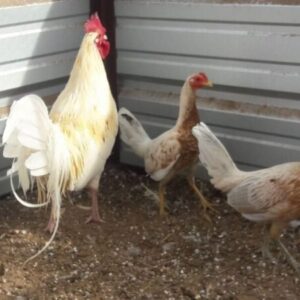
Shop premium Minor Blue roosters available now. Carefully bred heritage stock known for strength and genetic consistency.
Reasons To Buy
- Fast delivery to any location
- Secure payments
- Eco-friendly manufacturing
Trust badge
Buy Minor Blue Rooster: Complete Guide to This Distinctive Heritage Gamefowl Line
If you are planning to buy a Minor Blue rooster, you are choosing a distinctive and respected heritage gamefowl line known for its balance, stamina, and striking coloration. The Minor Blue line is appreciated by experienced breeders and heritage poultry enthusiasts who value traditional bloodlines, consistent structure, and reliable genetics rather than commercial egg or meat production.
This guide explains the background, physical traits, temperament, care requirements, and important considerations before purchasing a Minor Blue rooster from a reputable source.
What Is a Minor Blue Rooster?
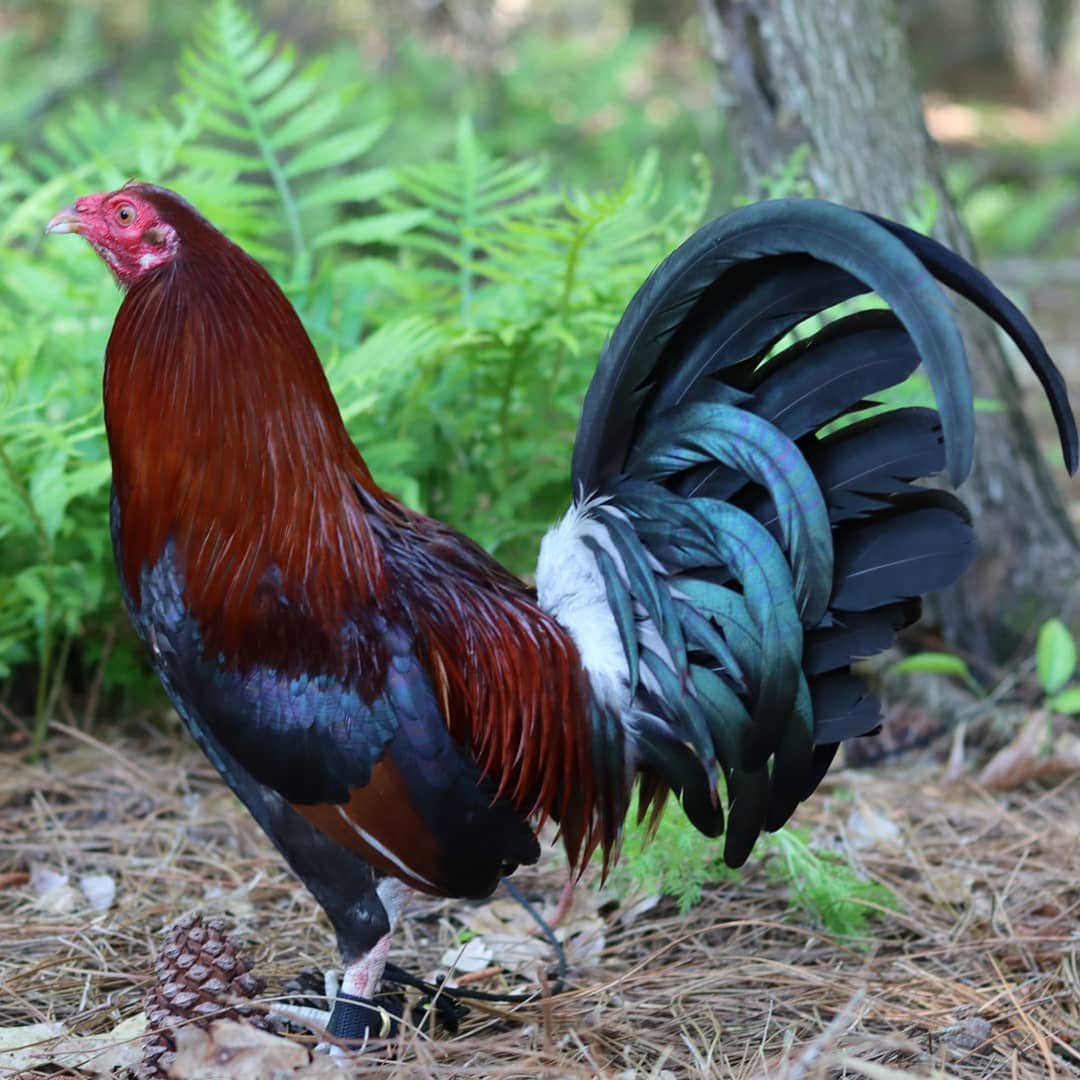
A Minor Blue rooster comes from a heritage gamefowl strain recognized for its bluish-toned plumage, athletic build, and alert demeanor. This line has been selectively bred over generations to maintain structure, endurance, and recognizable traits.
These birds are typically kept for:
-
Heritage breeding programs
-
Bloodline preservation
-
Educational and exhibition purposes
-
Experienced poultry collections
They are not intended for casual backyard flocks or utility farming.
History and Background of the Minor Blue Line
The Minor Blue strain developed through careful selection by breeders who prioritized balance, sound structure, and genetic consistency. Over time, this line gained recognition for its distinctive coloration and reliable physical traits.
Unlike commercial breeds, Minor Blue birds were never bred for rapid growth or high egg yield. Instead, breeders focused on preserving traditional characteristics and maintaining clean bloodlines. Today, responsible breeders continue this approach to ensure the line remains true to its heritage.
Physical Characteristics and Appearance
Minor Blue roosters are admired for their refined appearance and strong posture.
Common physical traits include:
-
Bluish or slate-toned plumage
-
Upright, alert stance
-
Muscular yet streamlined body
-
Strong legs with solid bone structure
-
Tight, smooth feathering
Their coloration sets them apart visually while maintaining the classic form expected from heritage gamefowl.
Temperament and Natural Behavior
These roosters are naturally alert and intelligent. They require knowledgeable handling and structured housing.
Typical behavior traits include:
-
High awareness of surroundings
-
Confident presence
-
Active movement and agility
-
Predictable behavior with proper management
Because of their temperament, Minor Blue roosters are best housed individually or in carefully controlled environments to prevent stress or conflict.
Breeding Value and Genetic Consistency
Many buyers seek Minor Blue roosters specifically for breeding purposes. Quality males are valued for:
-
Clear physical traits passed to offspring
-
Structural soundness
-
Genetic reliability
-
Preservation of traditional characteristics
A well-bred rooster plays a critical role in maintaining the quality and consistency of future generations. Responsible breeders carefully select breeding pairs to avoid genetic dilution.
Housing and Space Requirements
Proper housing is essential for the health and management of heritage roosters.
Recommended setup includes:
-
Secure individual pens or separated enclosures
-
Strong fencing to prevent escape
-
Dry, well-ventilated shelters
-
Elevated roosting areas
Adequate space helps reduce stress and supports healthy physical development. Overcrowding should always be avoided.
Feeding and Nutrition
A balanced diet supports muscle tone, feather quality, and overall vitality.
Typical feeding program includes:
-
High-quality breeder or gamefowl feed
-
Controlled protein levels appropriate for age
-
Whole grains such as corn or wheat
-
Occasional greens for enrichment
-
Constant access to clean, fresh water
During breeding or conditioning periods, nutrition may be adjusted to support stamina and condition.
Health and General Care
When raised in clean and well-managed environments, Minor Blue roosters are generally hardy.
Basic care practices include:
-
Routine observation for illness or stress
-
Clean feeding and watering equipment
-
Dry bedding to protect feet and legs
-
Preventive parasite management
Consistent hygiene and attentive care are essential for long-term health.
What to Look for When Buying a Minor Blue Rooster
Before purchasing, evaluate the seller carefully. A reputable source should provide:
-
Clear bloodline information
-
Healthy, alert birds
-
Clean and secure housing conditions
-
Transparent communication
Avoid sellers who cannot explain lineage details or who offer birds at unusually low prices.
Who Should Buy Minor Blue Roosters?
This heritage line is best suited for:
-
Experienced gamefowl breeders
-
Heritage poultry enthusiasts
-
Educational or preservation programs
-
Keepers with adequate space and secure facilities
They are not recommended for beginners or mixed backyard poultry flocks.
Ethical and Legal Considerations
Anyone raising heritage gamefowl should:
-
Follow local and regional poultry regulations
-
Practice humane and ethical bird care
-
Focus on responsible breeding and long-term welfare
Ethical stewardship helps preserve traditional bloodlines for future generations.
Buying a Minor Blue Rooster
Choosing to buy a Minor Blue rooster is an investment in heritage genetics and responsible poultry stewardship. With its distinctive coloration, balanced structure, and consistent traits, this line continues to hold value among serious breeders and heritage poultry keepers.
When sourced responsibly and cared for properly, a Minor Blue rooster can become a valuable and respected part of a long-term breeding or preservation program.
| Select Fowl | Pairs, Pullets, Stags, Trio |
|---|---|
| Gender | Female, Male |
Reviews
There are no reviews yet.
Related products

GAME FOWLS FOR SALE
GAME FOWLS FOR SALE

GAME FOWLS FOR SALE

Fighting Roosters

GAME FOWLS FOR SALE

GAME FOWLS FOR SALE

GAME FOWLS FOR SALE

Fighting Roosters
Be the first to review “Minor Blue Rooster”