
Gamefowl for sale
gamefowl supplies
Aug
gamefowl supplies
When raising and caring for gamefowl, having the right supplies is crucial to ensure the health, performance, and overall well-being of your birds. Below is a comprehensive list of essential gamefowl supplies:
1. Housing and Shelter
- Coops and Pens: Sturdy, secure coops to protect gamefowl from predators and harsh weather conditions. These should provide ample space for movement and have proper ventilation.
- Brooders: For chicks, a brooder with a heat source is necessary to keep them warm and safe during their early days.
- Perches: Elevated perches inside the coop allow birds to rest comfortably, which is important for their overall health. gamefowl supplies
- Nest Boxes: These are necessary for laying hens to lay their eggs in a clean and safe environment.
2. Feeding and Watering Equipment
- Feeders: Automatic or manual feeders to ensure a consistent supply of food. Feeders should be designed to minimize waste and contamination.
- Waterers: Clean, fresh water is essential. Automatic waterers can be useful for maintaining a steady water supply. Ensure waterers are placed at the right height for easy access.
- Grit and Oyster Shell Dispensers: Grit helps in digestion, while oyster shells provide calcium for strong eggshells. gamefowl supplies
3. Nutrition and Supplements
- High-Quality Feed: Gamefowl require a diet rich in protein, vitamins, and minerals. Specialty gamefowl feed is often available to meet their specific nutritional needs.
- Supplements: Vitamin and mineral supplements, such as B-complex vitamins, calcium, and electrolytes, can boost health and performance.
- Medicated Feed: In some cases, gamefowl for sale, medicated feed can help prevent or treat specific health issues like coccidiosis in young birds.
4. Health and Medical Supplies
- First Aid Kit: A basic kit should include items like antiseptic sprays, bandages, tweezers, and scissors to treat minor injuries.
- Vaccines: Vaccination is key to preventing diseases like Marek’s disease, Newcastle disease, and fowl pox.
- Dewormers: Regular deworming is necessary to control internal parasites such as worms.
- Antibiotics and Medications: These should be used under veterinary guidance to treat bacterial infections and other ailments. gamefowl supplies
- Poultry Dust and Sprays: For controlling external parasites like mites and lice.
5. Breeding and Incubation Equipment
- Incubators: If you’re hatching eggs, an incubator is essential for maintaining the correct temperature and humidity levels.
- Egg Turners: Automated egg turners ensure eggs are rotated properly during incubation.
- Breeding Pens: Separate pens for breeding pairs or trios to control mating and monitor lineage.
6. Training and Conditioning Tools
- Jump Ropes and Pulley Systems: Used for conditioning gamefowl, improving their strength and stamina.
- Drag Weights: Small weights attached to the bird’s legs during training to build muscle.
- Exercise Pens: Allows birds to exercise and condition in a controlled environment.
- Muffs and Sparring Gear: Used during sparring to prevent injuries while training.
7. Identification and Record Keeping
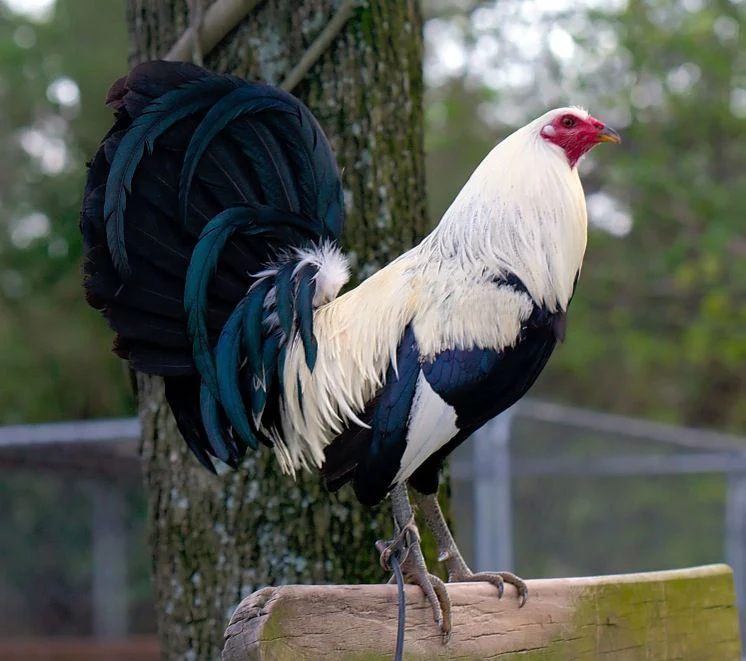
- Leg Bands: These are used to identify individual birds, especially in large flocks. They come in different colors and sizes. Gamefowl Rooster
- Record Books: Keeping detailed records of breeding, health, and performance is crucial for managing a successful gamefowl operation.
8. Cleaning and Maintenance Supplies
- Disinfectants: Regular cleaning of coops, feeders, and waterers with disinfectants helps prevent disease.
- Bedding Material: Straw, wood shavings, or sand can be used as bedding in coops to keep the environment clean and dry.
- Rakes and Shovels: For cleaning out coops and pens.
9. Transportation and Handling Equipment
- Carriers and Crates: Safe, secure crates for transporting gamefowl to shows, breeding stations, or other locations. gamefowl supplies
- Catching Nets: Useful for safely catching and handling birds without causing stress or injury.
10. Miscellaneous Supplies
- Shade Cloths and Tarps: To provide additional shade in outdoor pens, especially in hot climates.
- Lights and Heat Lamps: For maintaining temperature, especially for chicks or during cold weather.
- Fly Control: Fly traps or sprays to reduce fly populations around the coop.
Where to Buy Gamefowl Supplies
- Local Feed and Farm Supply Stores: These stores often carry a wide range of poultry supplies, including items specifically for gamefowl.
- Online Retailers: Websites like Jeffers Pet, Stromberg’s Chickens, Murray McMurray Hatchery, and Amazon offer a variety of gamefowl supplies.
- Specialty Gamefowl Suppliers: There are online stores dedicated to gamefowl, such as , where you can find specialized equipment and products. gamefowl supplies
- Breeder Associations and Clubs: These groups often have resources or partnerships with suppliers to help you get the best products for your birds.
Conclusion
Owning gamefowl requires proper care and management, and having the right supplies is essential. Whether you’re a seasoned breeder or a newcomer, investing in quality housing, nutrition, health care, and training equipment will help ensure your gamefowl thrive and perform at their best.
Gamefowl refers to various breeds of chickens that are specifically bred for their fighting abilities. These birds are known for their strength, agility, and aggressive nature. Historically, gamefowl were primarily bred for cockfighting, a practice that dates back thousands of years and has been observed in many cultures around the world. gamefowl supplies
Key Characteristics of Gamefowl
- Physical Strength
- Gamefowl are typically robust and muscular birds with strong legs and sharp beaks. Their physical attributes are developed to enhance their fighting abilities.
- Aggression
- These birds are bred to be aggressive, particularly towards other roosters. This trait is essential in cockfighting, where two roosters fight until one is incapacitated or killed.
- Stamina
- Gamefowl are known for their endurance and ability to fight for extended periods. This stamina is a crucial trait for success in cockfighting. gamefowl supplies
- Speed and Agility
- Quick movements and agility are critical for evading attacks and landing strikes on opponents during fights.
- Sharp Spurs
- In cockfighting, gamefowl often have sharp spurs, which are natural or artificially enhanced, to inflict damage on their opponents.
Breeds of Gamefowl
There are several breeds of gamefowl, each with unique characteristics. Some of the most well-known breeds include: gamefowl supplies
- American Gamefowl
- Developed in the United States, these birds are highly valued for their fighting abilities and are often used in modern cockfighting. gamefowl supplies
- Asil (Aseel)
- Originating from India, Asil gamefowl are known for their powerful build and resilience in fights. They are one of the oldest gamefowl breeds.
- Shamo
- This Japanese breed is tall, muscular, and known for its aggressive nature. Shamo gamefowl are also bred for cockfighting in various parts of the world. gamefowl supplies
- Old English Game
- One of the oldest breeds of gamefowl, the Old English Game was originally bred in England for cockfighting. Today, they are also kept for exhibition purposes.
- Spanish Gamefowl (Gallo Español)
- Bred in Spain, these birds are known for their agility and fighting spirit. They have a long history in Spanish cockfighting traditions.
Historical and Cultural Significance
Cockfighting has been a part of human history for thousands of years, with evidence of the practice found in ancient civilizations such as Greece, Rome, India, and China. In many cultures, gamefowl breeding and cockfighting were considered a form of sport, gambling, and even a demonstration of skill and bravery.
Modern Context
Today, cockfighting is illegal in many countries due to concerns about animal cruelty. However, in some regions, it remains legal or is practiced covertly. In places where cockfighting is banned, gamefowl are sometimes bred for exhibition, as pets, or for their aesthetic value rather than for fighting.
Ethical Considerations
The breeding and use of gamefowl for cockfighting raise significant ethical issues. Animal rights organizations and many governments consider cockfighting to be inhumane due to the suffering inflicted on the animals. As a result, there is an ongoing debate about the morality of the practice and the treatment of gamefowl.
Conclusion
Gamefowl are a specialized group of chickens bred for their fighting abilities, with a long history tied to the practice of cockfighting. Special Edition Pool Cues. While they are admired for their physical attributes and fighting spirit, the ethical implications of cockfighting have led to a decline in its legality and practice in many parts of the world.
Importance of owning gamefowl
Owning gamefowl can hold various types of significance depending on the perspective of the owner. The importance of owning gamefowl can be linked to cultural, economic, recreational, and even personal values. Here’s an exploration of why owning gamefowl might be considered important:
1. Cultural and Traditional Significance
- Heritage and Tradition: In many cultures, gamefowl have a long history tied to tradition and heritage. For example, in countries like the Philippines, Mexico, and parts of South America, owning and breeding gamefowl is seen as a way of preserving cultural practices that have been passed down through generations. gamefowl supplies
- Symbol of Bravery and Strength: Gamefowl are often seen as symbols of courage, endurance, and resilience. sweater gamefowl. In some communities, they are revered and treated with great respect, embodying traits that are highly valued.
2. Economic Value
- Breeding and Selling: Gamefowl breeding can be a profitable venture. High-quality gamefowl are often sold for significant amounts of money, particularly if they come from a well-known bloodline or have a history of success in competitions. gamefowl supplies
- Cockfighting (where legal): In regions where cockfighting is legal, owning gamefowl can be a source of income through participation in events, betting, and the sale of winning birds.
- Agricultural Role: In some rural areas, gamefowl are also valued for their role in agriculture, helping control pests and providing meat or eggs.
3. Recreational and Hobbyist Interest
- Breeding as a Hobby: Many people own gamefowl for the pleasure of breeding and raising them. The process of developing a strong, healthy line of gamefowl can be a deeply rewarding experience for hobbyists.
- Exhibition and Shows: In places where cockfighting is illegal or culturally discouraged, gamefowl are often bred for exhibition purposes. kelso gamefowl. Owners take pride in showcasing their birds in poultry shows, where gamefowl are judged on criteria such as appearance, build, and temperament.
4. Personal Fulfillment
- Connection with Nature: Raising gamefowl can provide a connection to nature and the outdoors. The responsibility of caring for these birds, monitoring their health, and ensuring their well-being can be a fulfilling experience.
- Family and Community Bonds: In many cultures, the practice of raising gamefowl is a family or community activity. It can strengthen bonds as knowledge and skills are shared among generations.
5. Conservation of Rare Breeds
- Preserving Bloodlines: Some breeders focus on preserving rare or endangered breeds of gamefowl. This is important for maintaining genetic diversity and ensuring that these unique breeds are not lost over time.
6. Symbolic and Personal Identity
- Pride in Ownership: For many owners, gamefowl represent personal pride. Owning and raising strong, well-bred gamefowl can be a source of self-esteem and community recognition.
- Connection to History: For some, owning gamefowl serves as a way to connect with their ancestors or cultural history, maintaining a link to past traditions and practices. gamefowl farms
7. Educational Opportunities
- Learning and Teaching: Raising gamefowl can offer educational opportunities, particularly in areas of biology, genetics, and animal husbandry. This knowledge can be passed on to younger generations, fostering an appreciation for agriculture and animal care.
Ethical Considerations
While owning gamefowl can have many benefits, it’s important to consider the ethical implications, especially if the birds are bred for fighting. In many places, cockfighting is illegal due to concerns about animal welfare. Even in legal contexts, ethical treatment of the birds should be a priority, focusing on their health, well-being, and humane care.
Conclusion
The importance of owning gamefowl varies widely depending on cultural, economic, and personal perspectives. For some, it’s a means of preserving tradition, for others, it’s a business venture or a rewarding hobby. Regardless of the reason, responsible ownership and ethical considerations are key to ensuring the well-being of these unique and valued birds.
